A First Canadian Winter: What the Range Drop Really Is
No national percentage — because there isn't an honest one. The mechanisms, the habits that work, and the tire law that differs by province.
Disclosure: referral links use rel="nofollow sponsored". Opening one may earn the code’s owner Tesla Credits; it costs you nothing. We are not affiliated with Tesla, Inc.
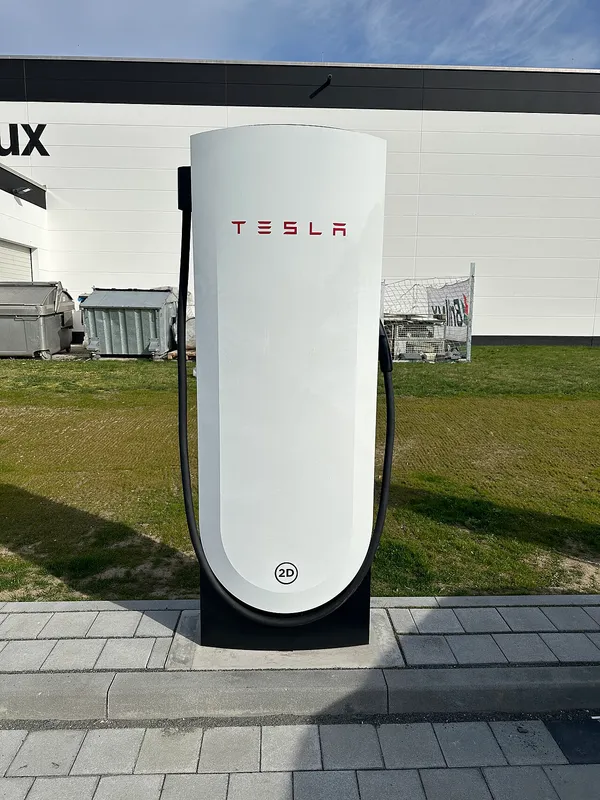
The three separate things people call “winter range loss”
Almost every argument about cold-weather range is two people describing different phenomena. There are three, they have different causes, and only one of them is permanent for the season.
- Heating the cabin. In a combustion car, cabin heat is waste heat from the engine and effectively free. In an EV it is drawn from the same battery that moves the car. This is the largest single contributor, and it is worst on short trips where the car never stops heating a cold cabin.
- Battery temperature. A cold pack delivers and accepts energy less readily. The car spends energy warming it, and until it is warm both range and charging speed are reduced. This one recovers as the pack warms.
- Winter conditions themselves. Snow, slush and winter tires all increase rolling resistance. Dense cold air increases drag. None of this is specific to EVs — a gas car uses more fuel in winter too — but the effect is more visible when you watch a percentage rather than a needle.
We are deliberately not giving you a percentage. The honest figure depends on your trip length, your cabin temperature setting, whether you preheat while plugged in, and where in the country you are. Anyone quoting one national number for a Canadian winter is quoting a number that is wrong for most of Canada.
What preconditioning actually does — and the condition that makes it free
Preconditioning warms the cabin and the battery before you drive. The critical detail is the one most often left out: it only saves you range if the car is still plugged in while it does it. Preheating on battery power moves the cost around rather than removing it; preheating on grid power removes it from the drive entirely.
This is what Scheduled Departure is for. Set the time you leave, leave the car plugged in overnight, and the car warms itself on wall power and finishes charging into a warm pack. It is the single highest-value winter habit and it takes one setup.
Your verified Canadian referral code
3 mo free FSDFast charging in the cold: navigate, don’t just drive
A cold battery charges slowly, and arriving at a Supercharger with a cold pack is how a 20-minute stop becomes a 45-minute one. Selecting the Supercharger as a navigation destination lets the car warm the pack on the way, so it arrives ready. On a Canadian winter road trip this is not a refinement — it is the difference between the trip you planned and the one you get.
The corollary: an unplanned stop at a charger you did not navigate to will be slower. Build that into the plan rather than discovering it at −25.
Winter tires are a legal requirement in part of the country
This is a provincial matter and it catches people who move. Québec requires winter tires on passenger vehicles for a defined period each winter. British Columbia requires them on designated highways over a defined season, with signs marking the routes. Other provinces recommend rather than require.
Two practical consequences. First, budget for a second set including wheels — it is a real first-winter cost that nobody mentions alongside the purchase price. Second, winter tires cost you some range, which is a fair trade and worth knowing about in advance rather than blaming on the battery.
Check the current dates and the designated-highway list with the SAAQ or with DriveBC respectively before the season starts; both publish them annually and both change.
The five habits that actually make a difference
- Precondition on shore power, with Scheduled Departure, every night you can.
- Navigate to fast chargers so the pack is warmed on the way.
- Use seat heating before cabin heating — heating a person costs far less than heating the air around them.
- Plug in whenever the car is parked for long periods in deep cold, even at a normal outlet, so the pack is not managing itself from a falling state of charge.
- Plan winter trips with a wider margin than the car’s estimate suggests, and treat the first cold snap of the season as a calibration exercise rather than a verdict.
Where the referral fits
It doesn’t change any of the above, and it would be dishonest to imply otherwise. The Canadian buyer benefit is a free FSD (Supervised) trial attached at checkout — useful, unrelated to winter. What is worth noting is that the trial period is finite, so a car delivered in December spends its trial in exactly the conditions where driver-assistance behaviour is most worth evaluating before you decide whether to pay for it.
For the mechanics of attaching it, and the provincial differences on the referrer side, start from the Canada page.
Sources
Every figure below is cited to a primary source and stamped with the date we last checked it. Programs change often — always confirm on tesla.com/en_ca before you order.
- Tesla Support Canada — Refer and Earn
- Drive Tesla Canada — referral program adjustments (Canada & U.S.)
- Drive Tesla Canada — new FSD demo-drive reward (C$20; not QC; BC excluded)
- Not a Tesla App — referral program FSD incentives
- Gouvernement du Québec — Roulez vert (montants)
- Transport Canada — iZEV (programme fermé)
- Tesla Canada — Énergie (Powerwall; pas de solaire grand public)