How to Find Your Real Supercharging Cost Per kWh (Not the Headline Number)
Six steps to a number that's actually yours, not a US headline or a search-result average.
Disclosure: referral links use rel="nofollow sponsored". Opening one may earn the code’s owner Tesla Credits; it costs you nothing. We are not affiliated with Tesla, Inc.
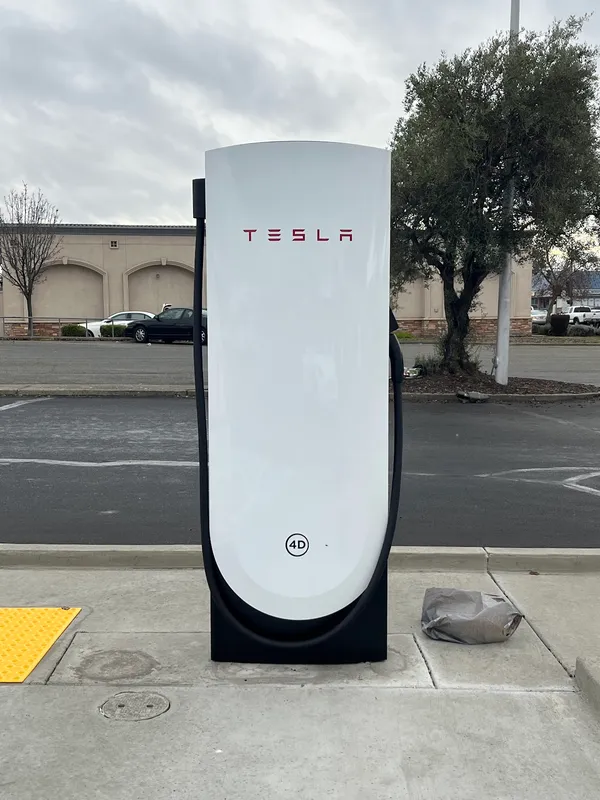
The number on the charging screen isn’t one number
Search “Tesla Supercharging cost per kWh” and you’ll get a single figure presented as if it applies everywhere. It doesn’t. Per-kWh Supercharging pricing already varies by province in Canada, because provincial electricity costs differ — a hydroelectric-heavy grid like Québec’s prices differently than Alberta’s — and it can vary by time of day and by whether a paid Charging Membership discount is applied to your account. Here’s how to read your own real number instead of borrowing someone else’s.
Your verified Canadian referral code
Check your real rateRead the live rate at the actual stall
Open the Tesla app or the in-car map at the Supercharger you’re about to use, not a number from a search result or a different province’s posting — the rate shown there is the one that will actually bill you.
Confirm whether a membership discount is already applied
Check your account’s membership status before reading the rate — a discounted and a standard rate at the identical stall can look like two different “Supercharging costs” if you don’t know which one you’re seeing.
Watch for time-of-day pricing
Many Supercharger locations price differently at busy hours than overnight. A rate read at 6 p.m. on a road trip isn’t necessarily the rate you’d pay charging the same car at midnight.
Sample more than one stall
If you use Superchargers in more than one province, or even more than one location in the same city, read the rate at each — don’t assume one stall’s number represents every stall you might use.
Convert to a per-100km figure, not just per-kWh
Divide the kWh a session adds by the distance it’ll cover, using your own dash efficiency reading, and multiply by 100. That per-100km cost is the number that actually compares to a home-charging rate — a bare per-kWh figure alone doesn’t.
Log it across a few real stops before trusting it
One session on a busy Friday evening isn’t representative. A handful of readings across your normal charging pattern gets you closer to a number worth planning around.
Why we won’t publish a single Canadian figure here
We haven’t seen a Canada-wide per-kWh Supercharging rate confirmed on tesla.com/en_ca, and given the provincial electricity-cost differences above, a single national figure would understate the real spread between, say, a Québec stall and one elsewhere. The table below illustrates why a range matters more than an average — the dollar figures are illustrative only, not quoted Canadian rates.
| Illustrative scenario | Illustrative rate | Cost for 50 kWh |
|---|---|---|
| Lower illustrative rate | $0.20/kWh | $10.00 |
| Mid illustrative rate | $0.35/kWh | $17.50 |
| Higher illustrative rate | $0.50/kWh | $25.00 |
Once you actually have your number
With a real per-kWh (or per-100km) figure in hand, two things become possible: checking whether a paid Charging Membership would pay off for you, and comparing what you actually pay at a Supercharger against what home charging would cost over the same driving.
For the membership break-even question, see our break-even checklist, and for the home-vs-Supercharging comparison, our full-year worked example. Back to the Tesla referral code Canada hub.
Sources
Every figure below is cited to a primary source and stamped with the date we last checked it. Programs change often — always confirm on tesla.com/en_ca before you order.
- Tesla Support Canada — Refer and Earn
- Drive Tesla Canada — referral program adjustments (Canada & U.S.)
- Drive Tesla Canada — new FSD demo-drive reward (C$20; not QC; BC excluded)
- Not a Tesla App — referral program FSD incentives
- Gouvernement du Québec — Roulez vert (montants)
- Transport Canada — iZEV (programme fermé)
- Tesla Canada — Énergie (Powerwall; pas de solaire grand public)